The Boston Law Office Is Changing
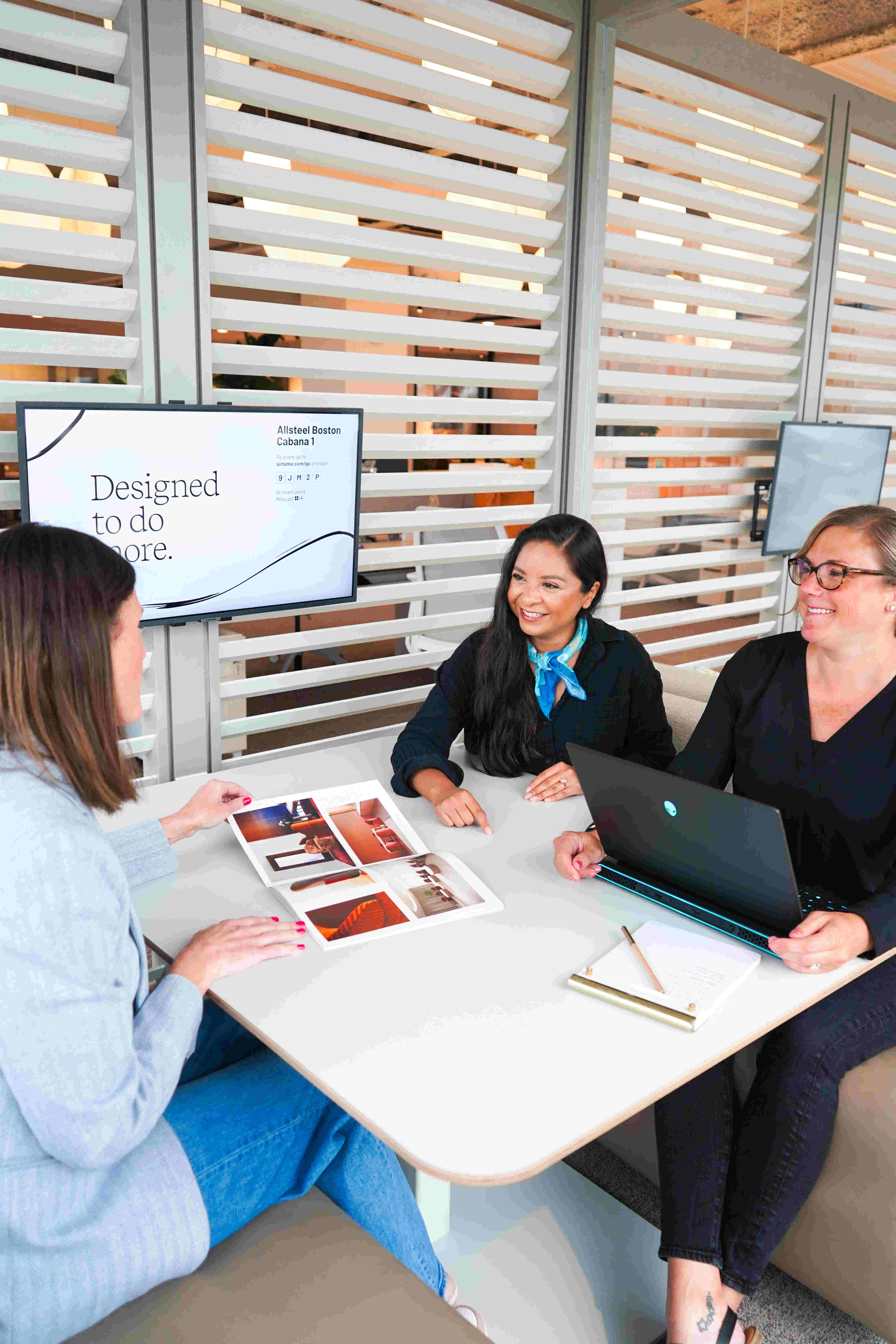

The traditional law office is evolving.
With approximately 1.6 million square feet of Boston law firm space expected to turn over by 2028, firms are reconsidering not simply how much space they need, but what they need that space to accomplish.
Hybrid work, changing employee expectations and new approaches to real estate are driving several important shifts.
Prestige + Performance
The office remains an important reflection of a firm’s brand and client experience, but increasingly it also needs to perform efficiently.
Research shows 87% of law firm leaders believe office design directly impacts their ability to attract and retain top legal talent.
The goal is becoming less about creating the largest or most impressive space and more about creating an environment that delivers both prestige and performance.
Hybrid Is Changing the Private Office
Smaller private offices, shared offices, hoteling and flexible work areas are becoming increasingly common.
Research indicates 49% of law firms anticipate attorneys working remotely often and plan to initiate hoteling programs.
This doesn’t mean the private office is disappearing. Instead, firms are creating a broader mix of private, collaborative and technology-enabled spaces that give employees more choice in how and where they work.
Underutilized Space Is Getting a Second Life
Traditional law libraries, physical file storage and other underused areas are increasingly being transformed into cafés, lounges, collaboration areas and event spaces.
It’s an important change in perspective: instead of simply asking how much space can be eliminated, firms can consider how much more value they can get from the space they already have.
Workplace Experience Matters
Natural light, acoustic privacy, wellness spaces and access to different work environments are becoming increasingly important parts of workplace design.
Research has shown that 85% of younger attorneys identify well-being and work-life balance as top priorities when evaluating job opportunities.
The workplace is becoming part of the overall employee experience — and potentially an important recruiting and retention tool.
Design for Change
Today’s workplace requirements won’t necessarily be tomorrow’s.
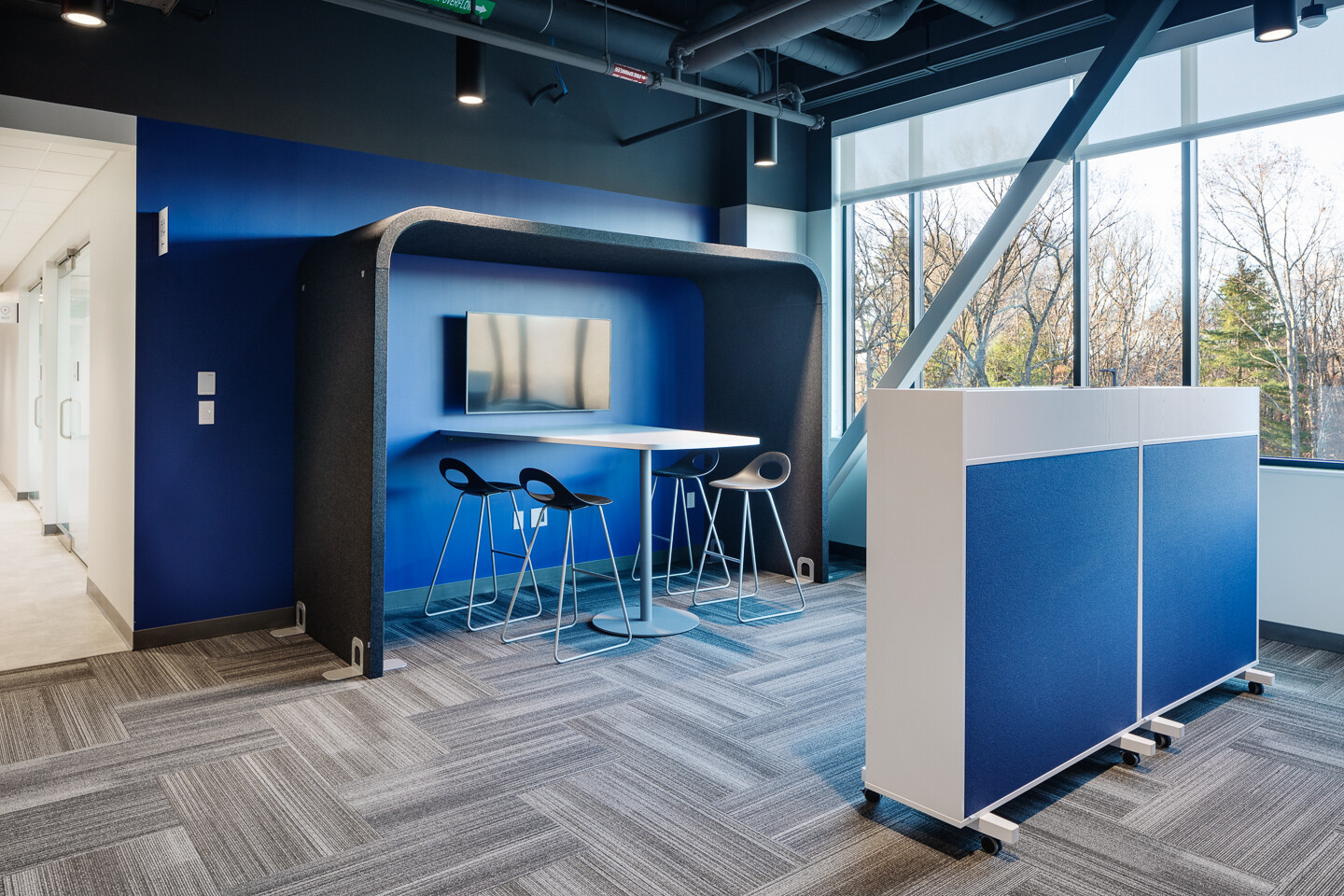
Modular furniture, adaptable layouts, demountable partitions and flexible infrastructure can allow firms to respond to changing headcounts and work patterns without repeatedly undertaking major renovations.
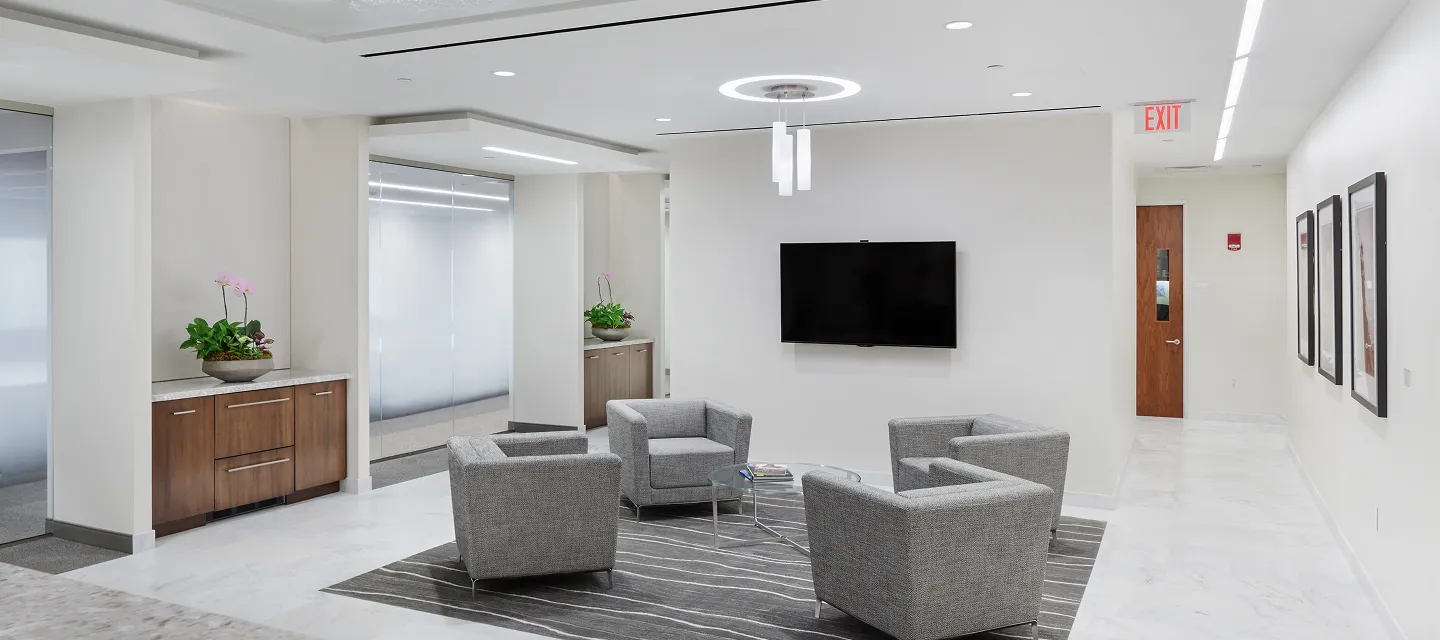
We’re already seeing different approaches in practice. A law firm in Philadelphia used a lease renewal to rethink a large multi-floor workplace, while a law firm in Washington, D.C. incorporated assigned and shared private offices with glass walls to balance natural light and privacy.
There isn’t one formula for the future law office.
The opportunity is to create better-performing space — balancing prestige, privacy, flexibility, employee experience and client hospitality while remaining adaptable to whatever comes next.

The Boston Law Office Is Changing
More Than Furniture: Why UOI Chooses Partners Like Allsteel
The Boston Law Office Is Changing
Too Much Office Noise? Start With Your Space, Not More Walls
Should You Reuse Your Existing Office Furniture or Buy New?
From kickoff to install, we make your space work smarter.